tractor
Farming seasons wait for no one—spring planting demands focus, and autumn harvesting calls for efficiency. A dependable tractor isn’t just a tool; it’s your most valuable partner in the field, designed to cut down on labor and boost overall agricultural productivity. Whether you’re tending to small terraced plots, managing large contiguous farmlands, handling heavy-duty tasks like deep ploughing, or needing flexible short-distance transportation, selecting the right model and brand ensures every hour you put in translates to better results. In this guide, we’ll break down the key factors for choosing a tractor, highlight cost-effective and reliable options, and help you avoid common pitfalls—so you can streamline your farming operations and maximize your output.
1. Choose the Right Model for Your Needs: Adaptation Is Everything
A tractor’s type and horsepower are the backbone of its performance. Chasing excessive horsepower or settling for the cheapest option often leads to inefficiency and extra costs. By aligning your tractor choice with your farm size and specific tasks, you’ll get the most out of your investment—achieving versatility and hassle-free operation.
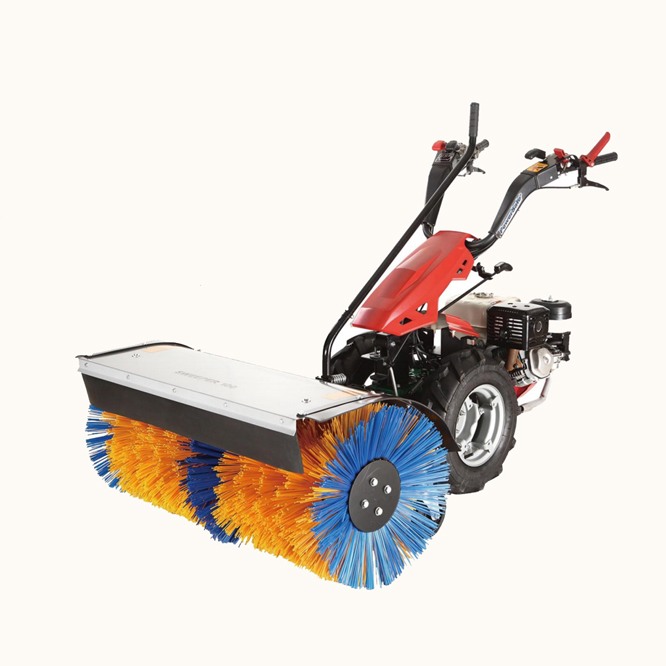
- Select by Operating Scenario: Walking tractors offer unmatched flexibility, making them ideal for small plots, mountainous areas, and terraced fields. Easy to maneuver and turn, they handle daily ploughing, sowing, and light transport with ease. Wheel tractors come in two-wheel and four-wheel variants: two-wheel models are lightweight and fuel-efficient, perfect for small-scale farmers; four-wheel tractors deliver robust power and stability, suited for large contiguous fields. They can be paired with a range of farm implements to tackle deep ploughing, harrowing, seeding, harvesting, and more.
- Match Horsepower to Farm Scale: For small plots (under 50 mu), a 15-30 horsepower tractor is more than enough for daily tasks while keeping fuel consumption low. Medium-sized plots (50-200 mu) benefit from 30-60 horsepower tractors, which strike the perfect balance between power and efficiency. For large-scale farms (over 200 mu), opt for 60-120 horsepower (or higher) tractors to speed up operations and reduce labor costs significantly.
2. Key Selection Criteria: Reliability, Cost-Efficiency, and After-Sales Support
When it comes to farm machinery like tractors, reliability tops the list. Farming is highly seasonal—equipment breakdowns can derail your schedule and lead to financial losses. Alongside reliability, cost-efficiency and comprehensive after-sales support are non-negotiable factors for a smart purchase.
- Reliability First: Prioritize the quality of core components, including engines, gearboxes, and axles. Choose reputable brands with proven technology and consistent quality. A high-performance engine should deliver strong power, low fuel consumption, and long-lasting durability, while a smooth-shifting gearbox minimizes the risk of breakdowns—ensuring steady operation even in tough field conditions.
- Balance Cost and Value: Avoid the temptation of rock-bottom prices. Low-cost tractors often use inferior materials and untested technology, leading to frequent breakdowns and higher maintenance costs over time. Instead, look for models with reasonable pricing, full configurations, and strong value. Consider factors like fuel efficiency, ease of maintenance, and service life to make a cost-effective choice.
- Comprehensive After-Sales Support: Farm machinery undergoes regular wear and tear, so a reliable after-sales system is essential. Choose brands with local service centers, prompt response times, and ample spare parts availability. Quality after-sales support ensures any equipment issues are resolved quickly, keeping your farming operations on track.